Bake polymer clay evenly without burn marks. Learn how an oven thermometer, ceramic tile, foil tent, and the right tray surfaces prevent hot spots and dark b...
Premo vs. Fimo vs. Cernit Polymer Clay

Dimple
Dimple is the cheerful hamster host of Clay Bakehouse who absolutely loves transforming brightly colored clay into tiny, adorable masterpieces. Whether readers are rolling their very first clay ball or baking delicate custom earrings, Dimple is always there with a warm smile to celebrate every squish and shape.
Published · Last updated
Let's roll out some colorful clay and make something wonderful today!
If you have ever stood in front of the polymer clay aisle wondering whether to pick Premo, Fimo, or Cernit, you are in excellent company. These are three of the most-loved lines for jewelry, miniatures, and sculpting, but they feel different in your hands and they behave differently after baking.
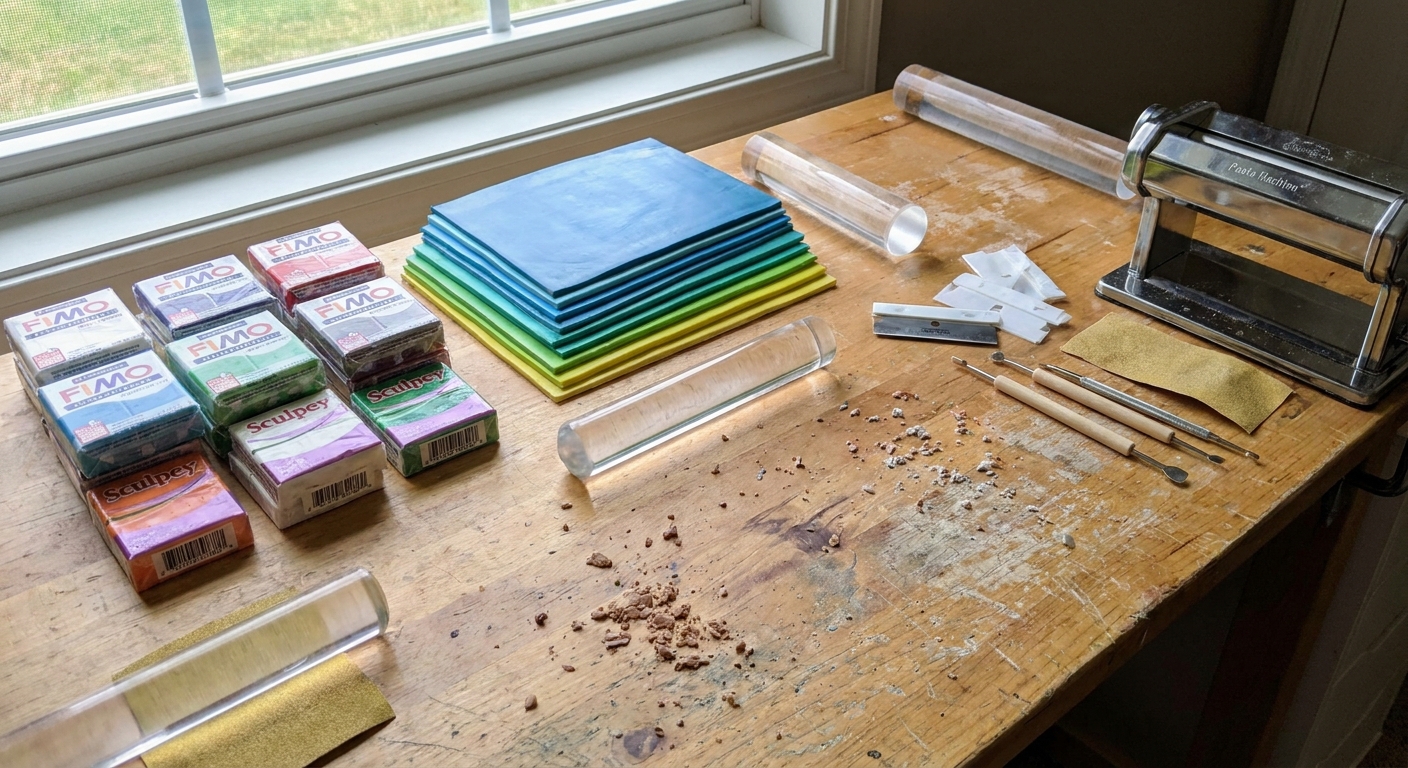
Quick pick: best match
- Best all-around for durability and jewelry: Premo is a favorite for strong baked pieces that still have a little flexibility, which helps thin earrings and wearable parts resist snapping.
- Best for crisp detail and firm sculpting: Fimo Professional tends to feel firmer and can hold sharp edges nicely for sculpting, carving, and clean geometry.
- Best for smooth blends and gentle translucents: Cernit is known for a porcelain-like finish after baking and can feel softer and very blendable, which many makers enjoy for gradients and organic shapes.
There is no single best brand for everyone. The best choice is the one that matches your project thickness, desired flexibility, and how much conditioning you enjoy doing.
What matters (and why)
Most mainstream polymer clays, including Premo, Fimo, and Cernit, are oven-bake PVC-based clays, but formulas vary. Even within the same brand, line, color, batch, and how fresh the clay is can change the feel.
Firmness before baking
Firmness affects how easy it is to condition, how well your clay holds crisp detail, and whether it smudges while you work.
- Softer clays condition faster and blend easily, but can pick up fingerprints and distort in very thin cuts.
- Firmer clays can hold razor-sharp edges and fine texture, but they may need more warming and conditioning time.
Small comfort note: if your hands tire easily, a softer clay can feel more forgiving. If you are a cutter and slab earrings person who wants super crisp shapes, very soft clay can be a little too eager to stretch.
Bake strength and flexibility
After baking, polymer clay should be tough, not brittle. For jewelry, a little flexibility is often helpful. For figurines, rigidity can be fine as long as thin parts are supported or reinforced.
Finish and color behavior
Some lines cure more matte, some more satiny. Translucent and very light colors can also shift more noticeably with heat, thickness, and oven hotspots.
Tip from the Bakehouse: no matter which brand you pick, an accurate oven temperature is a big deal. If you are still building your toolkit, peek at Polymer Clay Starter Kit: 10 Essential Tools for the basics that make results more consistent.
Premo vs Fimo vs Cernit
| Feature | Premo | Fimo | Cernit |
|---|---|---|---|
| Firmness (unbaked) | Medium, often comfortable once warmed | Often firmer (especially Professional); Fimo Soft is much softer | Often softer and very pliable |
| Detail holding | Very good | Excellent with firmer lines | Good, but soft clay can round edges if handled a lot |
| Baked strength | Strong and resilient; good for thin components | Strong when baked correctly; can feel more rigid | Strong; many colors cure with a smooth, slightly porcelain look |
| Flex after bake | Often flexes a bit in thin sheets | Often stiffer; thin parts can be more snap-prone if underbaked | Can have a pleasant flex depending on color and thickness |
| Blending and gradients | Good | Good, can take more work if very firm | Excellent for smooth blends |
| Jewelry friendly | High | High, especially for crisp shapes | High, especially for organic styles and translucents |
| Figurine friendly | High | High, great for sharp features | High, great for smooth surfaces |
Within each brand, specific product lines vary a lot. If your package says things like Professional, Soft, Doll, or Translucent, expect a different feel than the brand name alone might suggest.
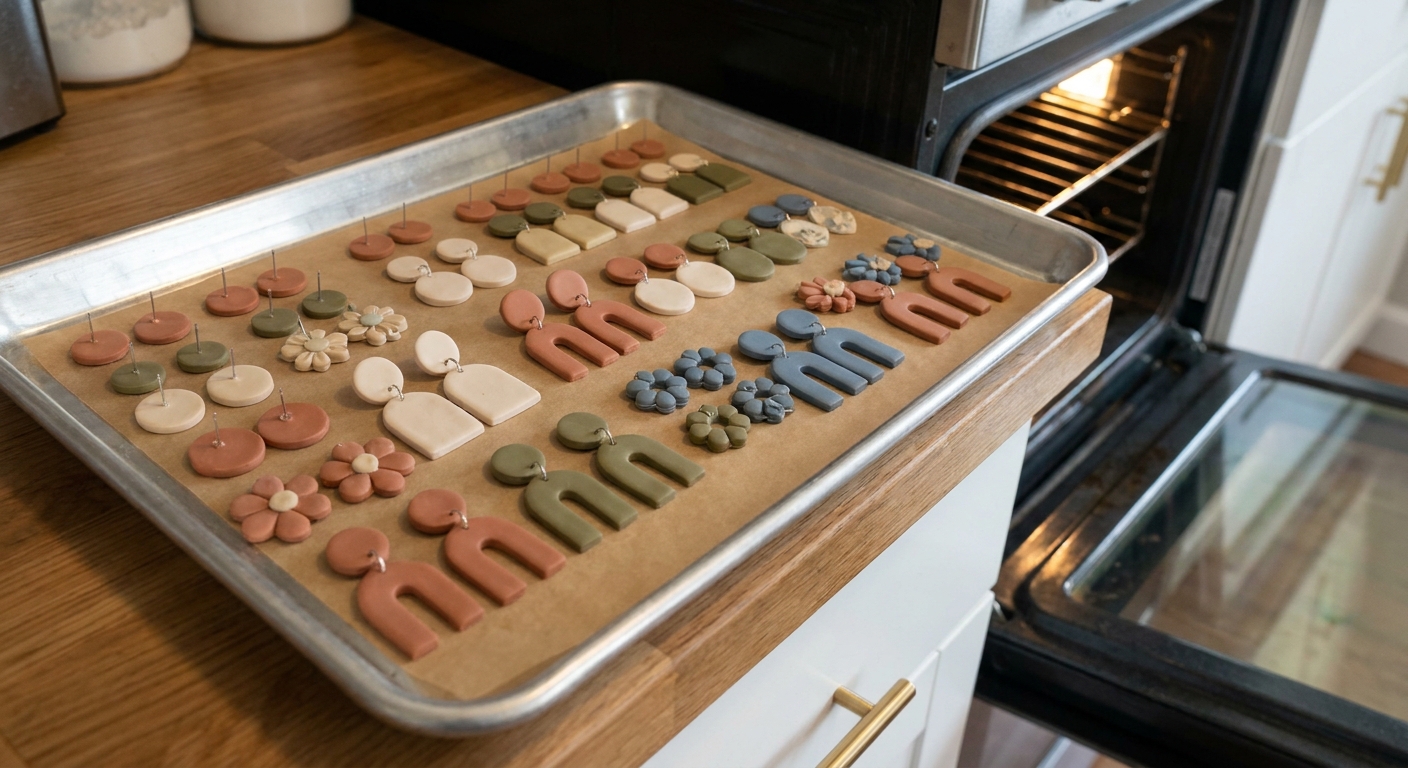
Best for jewelry
Wearables ask for two things: strength and predictability. Thin dangles, hoops, and layered studs get bumped, dropped, and tugged, so a clay that bakes tough matters.
Premo for thin earrings
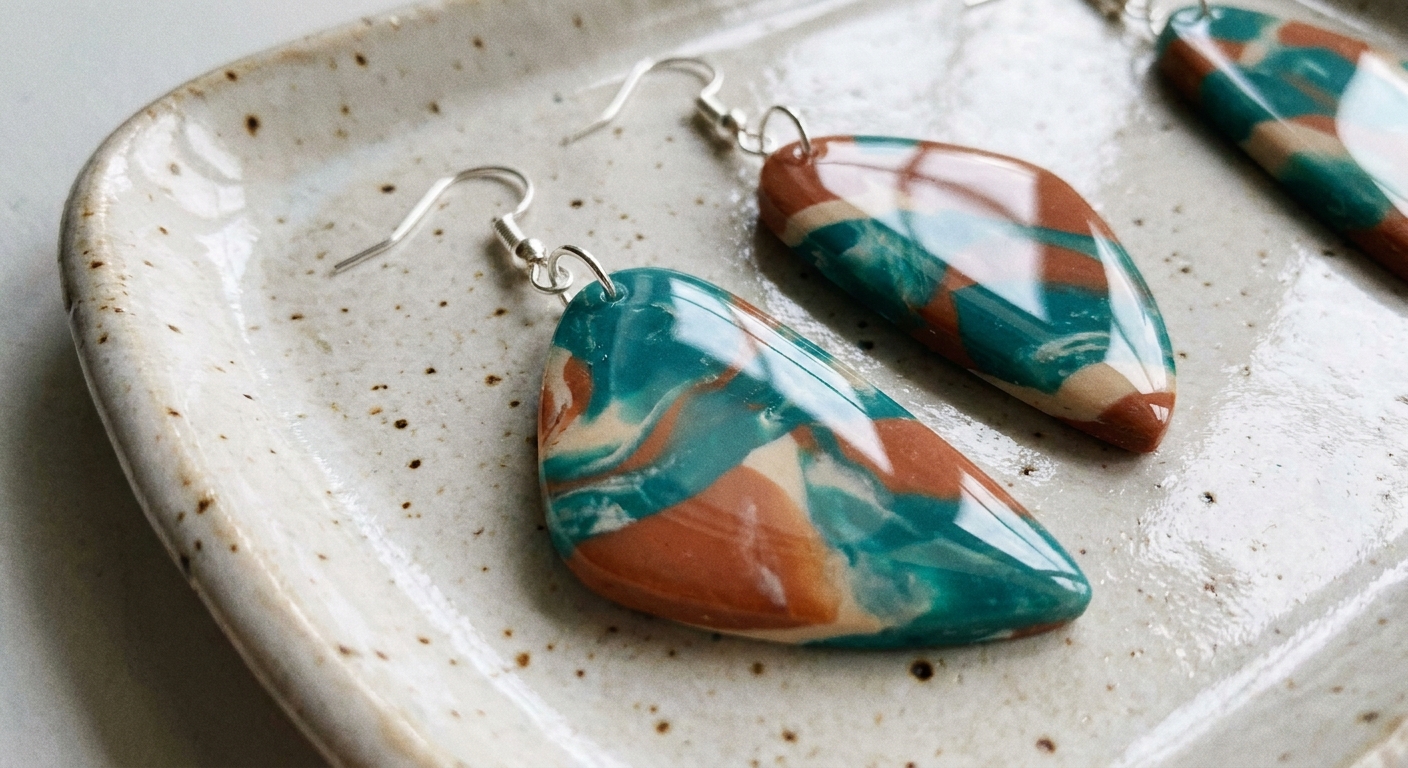
Premo is often chosen for earrings because it tends to cure with a tough, resilient feel. That slight give in thin sections can help reduce snapping when a piece is bumped.
- Great for: cutters, slabs, mokume gane, textured sheets, hardware-based designs
- Watch for: in hot rooms Premo can soften a lot, which can make super-thin cutouts stretch. Chilling the sheet briefly can help before cutting.
Fimo for crisp lines
Fimo is popular for sharp geometry and designs where you want edges to stay tidy. Firmer clay can be a joy for clean cutouts and crisp surface texture.
- Great for: precise shapes, stamped textures, structured jewelry components
- Watch for: underbaking. Jewelry parts that snap easily are often telling you the clay did not fully cure or the oven ran cool.
Cernit for smooth blends
Cernit is beloved for a smooth, almost porcelain-style result in many colors, plus translucents that can look especially soft and glowy when baked correctly.
- Great for: organic shapes, blended gradients, faux stone, faux porcelain looks
- Watch for: softness while working. Condition only as much as needed, then let the clay rest to firm up before you refine edges. Light chilling can help too.
For more wearable-friendly tips like sanding and buffing, head over to Techniques & Finishing.
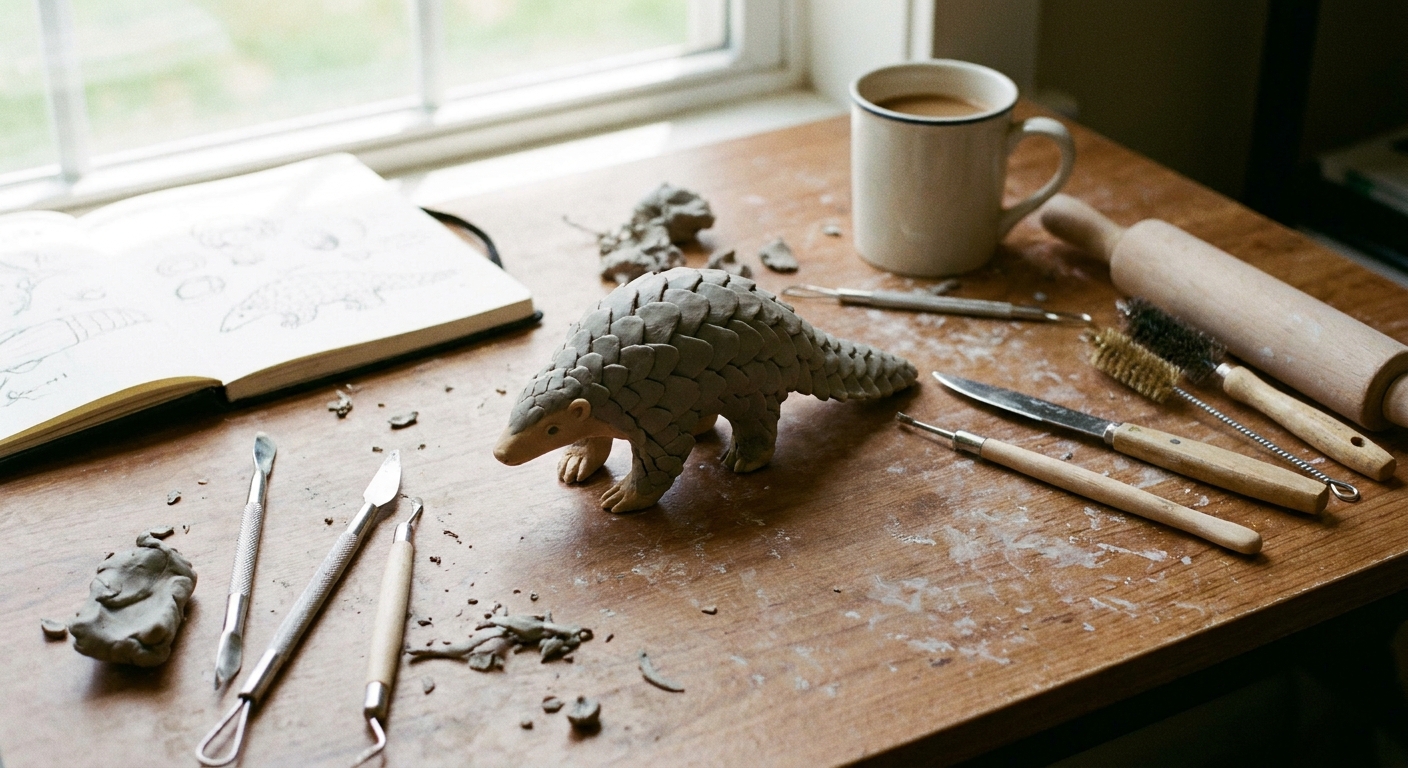
Best for figurines
Figurines are all about shape control, detail, and support. Little ears, horns, tails, and tiny fingers can be delicate even when the clay is strong.
When Fimo shines
Firmer clay can make sculpting less wiggly. It is easier to press in tiny details without collapsing the surrounding area, and edges tend to stay crisp.
- Try Fimo for: sharp facial features, small texture stamps, clean seams on geometric characters
- Helpful habit: work in layers. Let a section cool and firm up before adding delicate details.
When Premo is a friendly all-rounder
Premo can be a sweet spot for many makers because it is workable without feeling too squishy, and the baked strength is reassuring for small parts.
- Try Premo for: charms, tiny food minis, playful figurines with lots of add-ons
- Helpful habit: reinforce thin parts with wire or toothpicks when appropriate, especially for standing figures.
When Cernit is perfect for smooth minis
If you love a smooth, polished look after baking, Cernit can be a delightful pick for figures with rounded features and gentle curves.
- Try Cernit for: cute animals, doll-like faces, smooth accessories, faux ceramic styles
- Helpful habit: use light pressure when smoothing to avoid stretching soft clay.
Want more figure ideas? Hop into Charms & Figurines.
Mixing brands
Mixing Premo, Fimo, and Cernit is common, especially when you are blending colors or trying to tweak firmness. In general, mixed polymer clays can cure together well as long as you bake accurately and bake long enough.
- Do a small test bake first if you are combining brands in an important project.
- Follow the manufacturer guidance on each package and use an oven thermometer, since real oven temperatures drift.
- To play it safe: bake at the lowest recommended temperature among the clays you used, then extend bake time as needed so the thickest area fully cures. This helps avoid overheating the more temperature-sensitive clay.
- Avoid mixing in non-polymer clays that are air-dry or water-based, since they can behave unpredictably.
Oven basics for strength
Many broken pieces are not a brand problem, they are a baking problem. Polymer clay needs enough heat for long enough to fully cure. Exact times and temperatures vary by brand and thickness, so always follow the package, then verify with a thermometer.
Three strength boosters
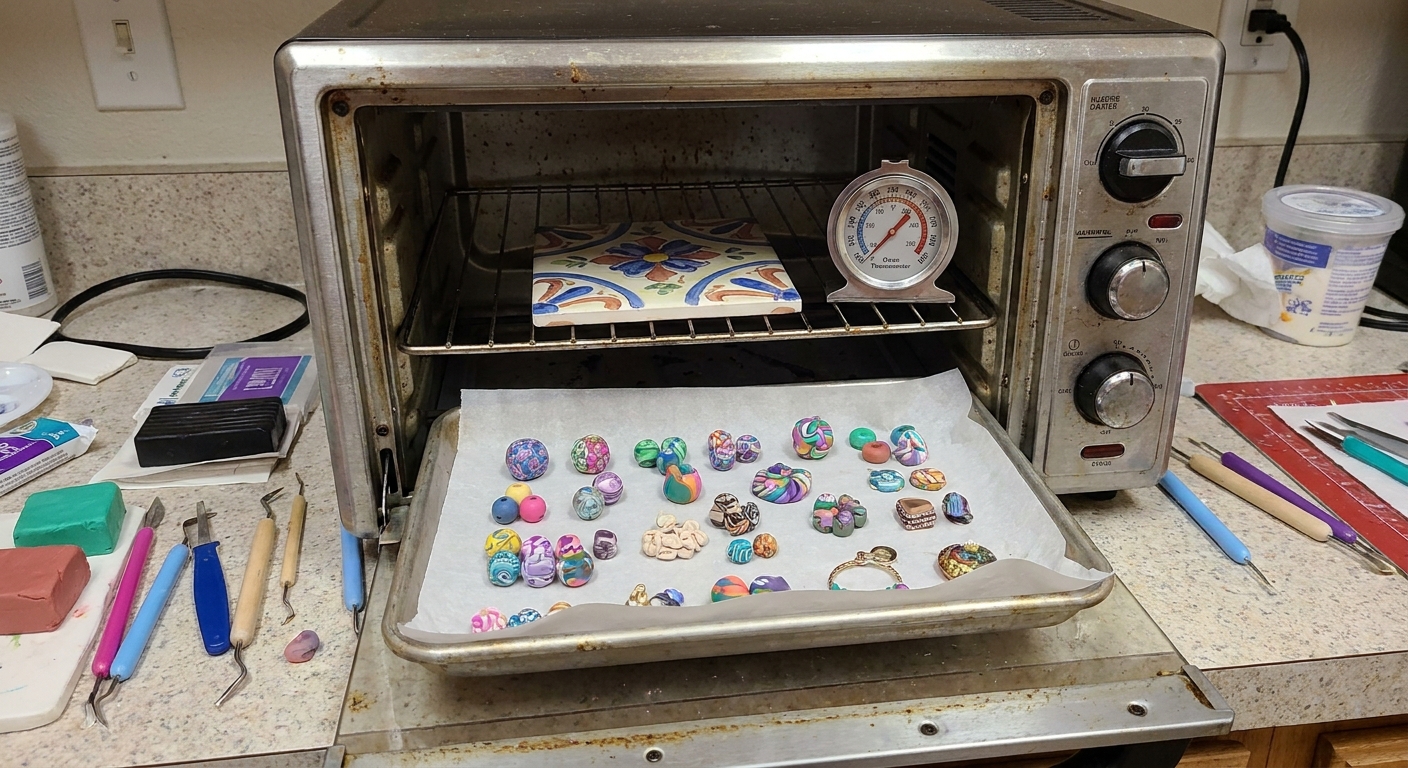
- Use an oven thermometer: toaster ovens and home ovens often drift.
- Shield from hotspots: tent with foil or use a tile to help stabilize heat.
- Respect thickness: thicker pieces need more time than thin pieces, and translucents and very light colors may show heat changes more quickly.
If you are setting up your clay space, the tools list here can help you get consistent sheets and clean cuts: 10 Essential Tools.
Choose in 60 seconds
If you are making earrings
- Pick Premo when you want tough, wearable pieces and reliable results in thin parts.
- Pick Fimo when crisp edges and super clean shapes are your top priority.
- Pick Cernit when you love smooth blends, soft translucency, and rounded organic designs.
If you are making figurines
- Pick Fimo when you need firm control for sharp sculpted detail.
- Pick Premo when you want an easy all-round clay that bakes strong.
- Pick Cernit when you want a smooth, porcelain-like surface and gentle curves.
FAQ
Which brand is best for beginners?
Choose the one that feels easiest to condition and shape. Many beginners enjoy a medium firmness clay because it is not too hard on the hands and not too sticky on the table. If your clay feels too firm, warm it in your hands or pocket for a few minutes before conditioning.
Why does my baked clay snap?
Snapping is most often caused by underbaking, an oven running cooler than it claims, or a piece that is extremely thin with stress points. Strength usually improves with accurate temperature and enough bake time for the piece thickness.
Do I need a glaze for jewelry?
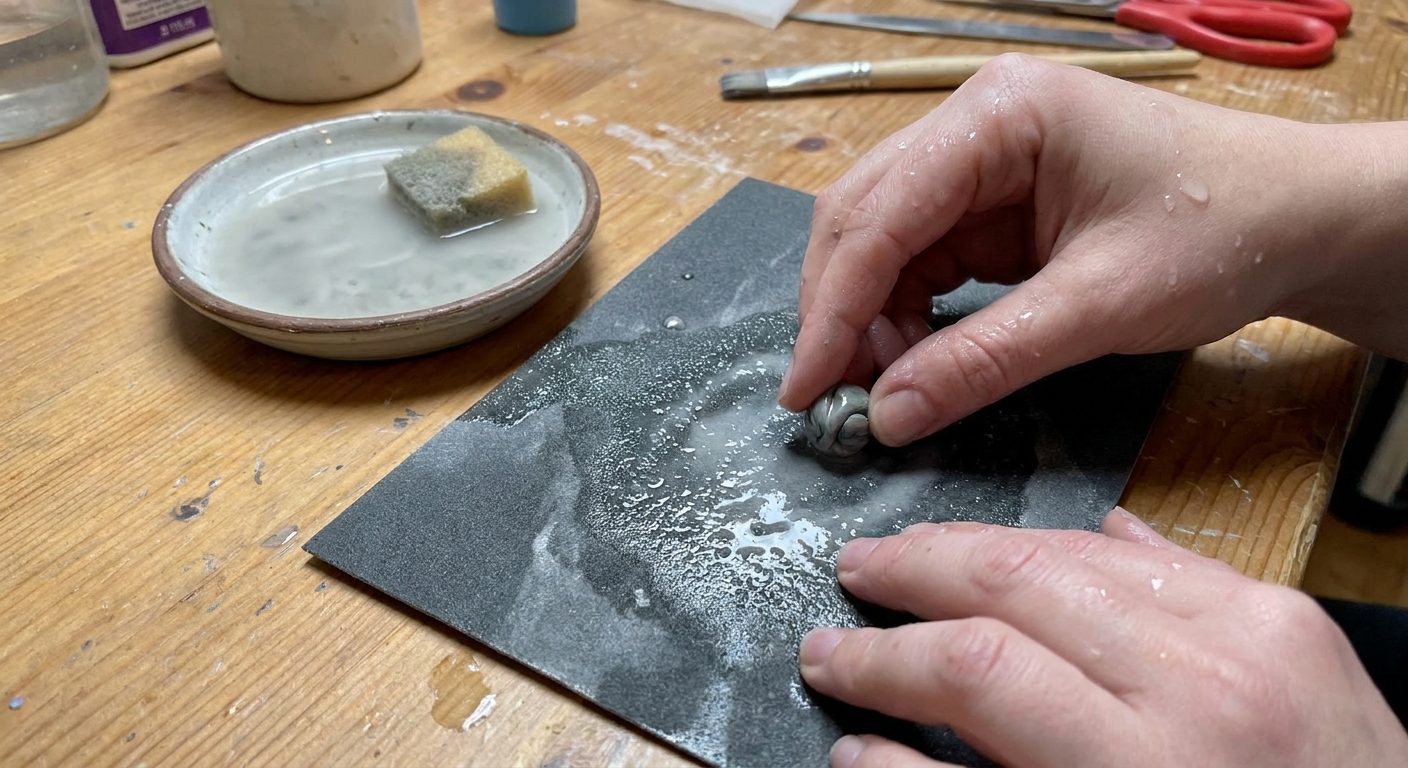
Not always. Polymer clay can be sanded and buffed for a smooth sheen, and many pieces look beautiful without any coating. Glaze can add shine and surface protection, but it should be compatible with polymer clay. For finishing ideas, visit Techniques & Finishing.
Can I use different brands in the same cane or slab?
Usually yes, especially if you test-bake a sample first. If one brand is much softer, it can smear during slicing. Letting the cane rest or chilling it before slicing can help keep the design crisp.
A sweet final nudge
Premo, Fimo, and Cernit can all make gorgeous, long-lasting polymer clay projects. The best match is the one that behaves the way your hands and your project style need. Pick one, make a small test piece, and celebrate every squish and shape along the way.
If you ever want to say hi, this little hamster host is easy to find at Contact.